
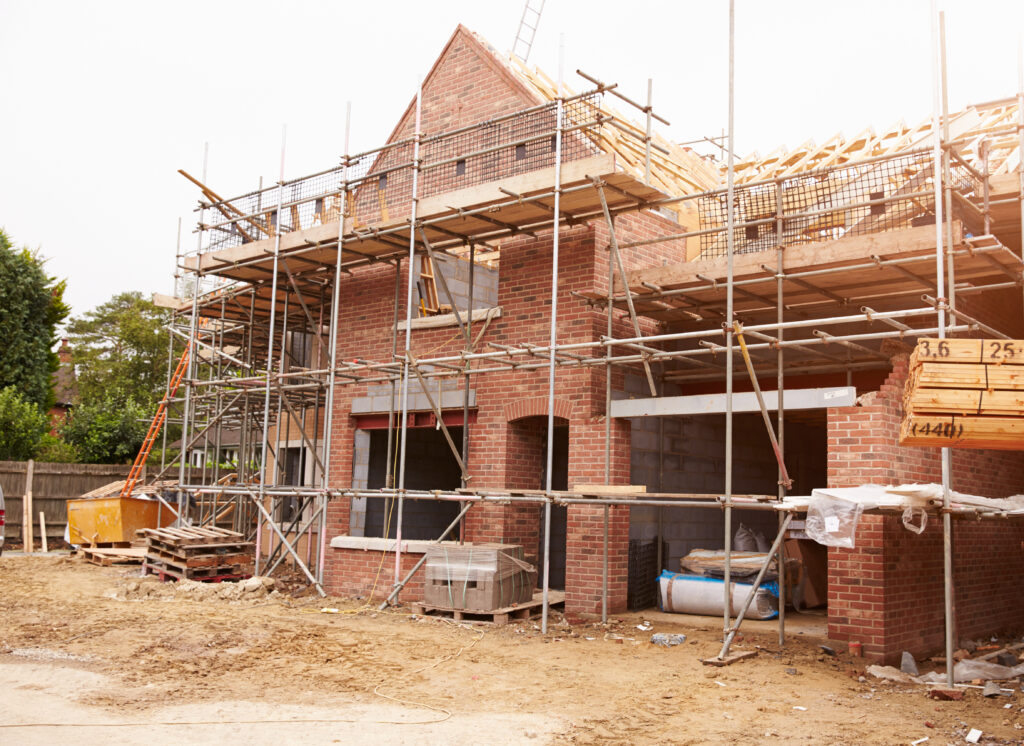
Do I Need Scaffolding for Roof Repairs?
If you are arranging work on your roof, one of the first questions you may have is whether scaffolding will be needed.
The answer depends on the type of repair, the height and shape of the roof, how long the work will take and whether safe access and fall protection can be provided another way. Scaffolding is not automatically required for every roof repair, but it is often the most suitable option when roofers need a stable working platform or protection around exposed roof edges.
The Health and Safety Executive (HSE) makes clear that even relatively small roofing jobs need proper planning, including work such as replacing a few roof tiles.
When Is Scaffolding Usually Needed for Roof Repairs?
Scaffolding is commonly considered when a repair requires roofers to spend a significant amount of time working at height, move materials safely or work close to an exposed edge.
Typical situations can include:
- Replacing a larger area of damaged tiles or slates
- Repairing chimneys
- Repairing roof edges, fascias or soffits
- Replacing sections of a roof
- Working on steep or difficult-to-access roofs
- Carrying tools and materials to roof level
- Repairs where safe access cannot be achieved from another suitable system
The decision should be based on the risks involved in the specific job rather than simply how quickly the repair appears to take.
Can a Small Roof Repair Be Done Without Scaffolding?
Sometimes, yes.
A minor repair does not automatically mean that a full scaffold will be required. The appropriate access method depends on factors such as the height of the building, roof pitch, location of the repair and the amount of time someone will be working at height.
However, a job being small does not remove the risk of falling.
HSE guidance states that precautions should be selected according to the nature and extent of the risks involved. It also makes clear that roof work should be properly planned, including short-duration jobs.
This means the safest approach should be decided before work starts, rather than assuming a ladder will be sufficient because only a few tiles need replacing.
Why Is Scaffolding Often Used for Roofing Work?
For many roof repairs, scaffolding does more than provide a way to reach the roof.
A correctly planned scaffold can provide a stable working platform from which roofers can move, use equipment and handle materials while working at height.
It can also form part of the measures used to protect workers from exposed roof edges.
HSE guidance identifies falls from unprotected edges and through fragile roof materials as important risks associated with roof work.
For pitched roofs, suitable edge protection can be especially important because someone who slips may slide towards the edge of the roof.
What Determines Whether Your Roof Repair Needs Scaffolding?
There is no single answer that applies to every home. Several practical factors need to be considered.
The Height of the Roof
Accessing the roof of a single-storey structure is very different from reaching the roof of a two or three-storey home.
As the working height and potential consequences of a fall increase, the access arrangements need careful consideration.
The Pitch of the Roof
A steeply pitched roof can create additional risks because maintaining a secure working position becomes more difficult.
The pitch therefore needs to be considered alongside the working height, roof condition and location of the repair when deciding on appropriate access.
Where the Repair Is Located
The position of the damaged area can make a major difference.
A repair close to an accessible lower section of roof may require a different setup from work around a chimney, ridge or difficult roof elevation.
How Much Work Is Required
Replacing one damaged component and carrying out a larger roof repair create different access requirements.
Longer jobs may involve more movement, equipment and materials, making a secure working platform particularly useful.
The Condition of the Roof
Older or damaged roofs can contain fragile surfaces that should not automatically be treated as safe to stand or walk on.
The condition of roof coverings, roof lights and surrounding areas therefore needs to be considered before work begins.
Access Around the Building
The area surrounding the house can also affect scaffold planning.
Driveways, narrow side passages, extensions, conservatories, neighbouring boundaries and uneven ground may all influence how safe access can be provided.
This is one reason why discussing the site itself is useful before assuming what type of scaffold will be suitable.
Do Chimney Repairs Usually Need Scaffolding?
Scaffolding is often considered for chimney repairs because chimneys are normally positioned at one of the highest points of a home.
Work may involve repointing, replacing pots, repairing flashing or working around the chimney stack itself.
The roofer needs suitable access not just to reach the area, but also to work safely while using tools and materials.
Where a chimney is close to a roof edge, on a steep roof or difficult to reach, a properly planned scaffold can provide a more practical working position.
What About Gutters, Fascias and Roofline Repairs?
Roofline jobs can also involve work at height.
The access method required will depend on the extent of the work and the height and layout of the home. A small isolated task may be approached differently from replacing fascias or guttering around several elevations.
The important point is that access should match the work being carried out.
Homeowners should avoid choosing an access method simply because it appears faster or cheaper before the person carrying out the work has assessed what is appropriate.
Could a Temporary Roof Be Needed as Well?
Scaffolding and temporary roofing perform different roles.
Scaffolding primarily provides access and a working platform. A temporary roof can provide additional weather protection where part of the existing roof is being opened or left exposed.
A temporary roof may therefore be considered for more extensive roofing work, particularly where the interior of the building needs protection while work is underway.
You can read more about these systems on the Marsh Scaffold temporary roofs page.
What Should Homeowners Check Before Roof Work Starts?
Before arranging a repair, it is useful to establish how the roofer intends to access the area safely.
Questions worth asking include:
- What part of the roof needs to be accessed?
- Will roof-edge protection be required?
- How long is the roofing work expected to take?
- Will materials need to be moved up and down regularly?
- Is the roof steep, fragile or difficult to reach?
- Is there enough space around the home for the proposed access arrangement?
- Does the scaffolding need to remain in place while the roof work is completed?
You do not need to design the access setup yourself. These questions simply help make sure safe access is considered as part of the job rather than as an afterthought.
How Far in Advance Should You Arrange Scaffolding?
If your roofer confirms that scaffolding will be needed, it is worth coordinating the scaffold erection date with the roofing work.
For Marsh Scaffold, the installation timeframe is 5–7 days upon order.
Allowing time for the scaffold to be erected before the roofer arrives can help prevent avoidable scheduling problems.
Homeowners who want to understand the options available can also read about Marsh Scaffold’s domestic scaffolding and scaffold erection services.
Planning Roof Repairs With Safe Access in Mind
Whether your roof repair requires scaffolding depends on the work itself, the roof and the safest practical way of reaching the area.
The key is not to decide based purely on the size of the repair. A seemingly small job can still involve significant risks if it takes place at height or near an exposed roof edge.
If your roofer has advised that scaffolding is needed, Marsh Scaffold can help you plan suitable access for the work. Find out more about domestic scaffolding or contact Marsh Scaffold to discuss the requirements of your roof repair.